Water · Engineering · Intelligence

Engineering water.
Understanding change.

Modern software, AI, research, and independent insight across hydrology, hydraulics, floods, rivers, water resources, the environment, and wet utilities.

Field of viewWater systemsScience → Practice → Society
01

What Hydroism covers

A wider lens on
water engineering.

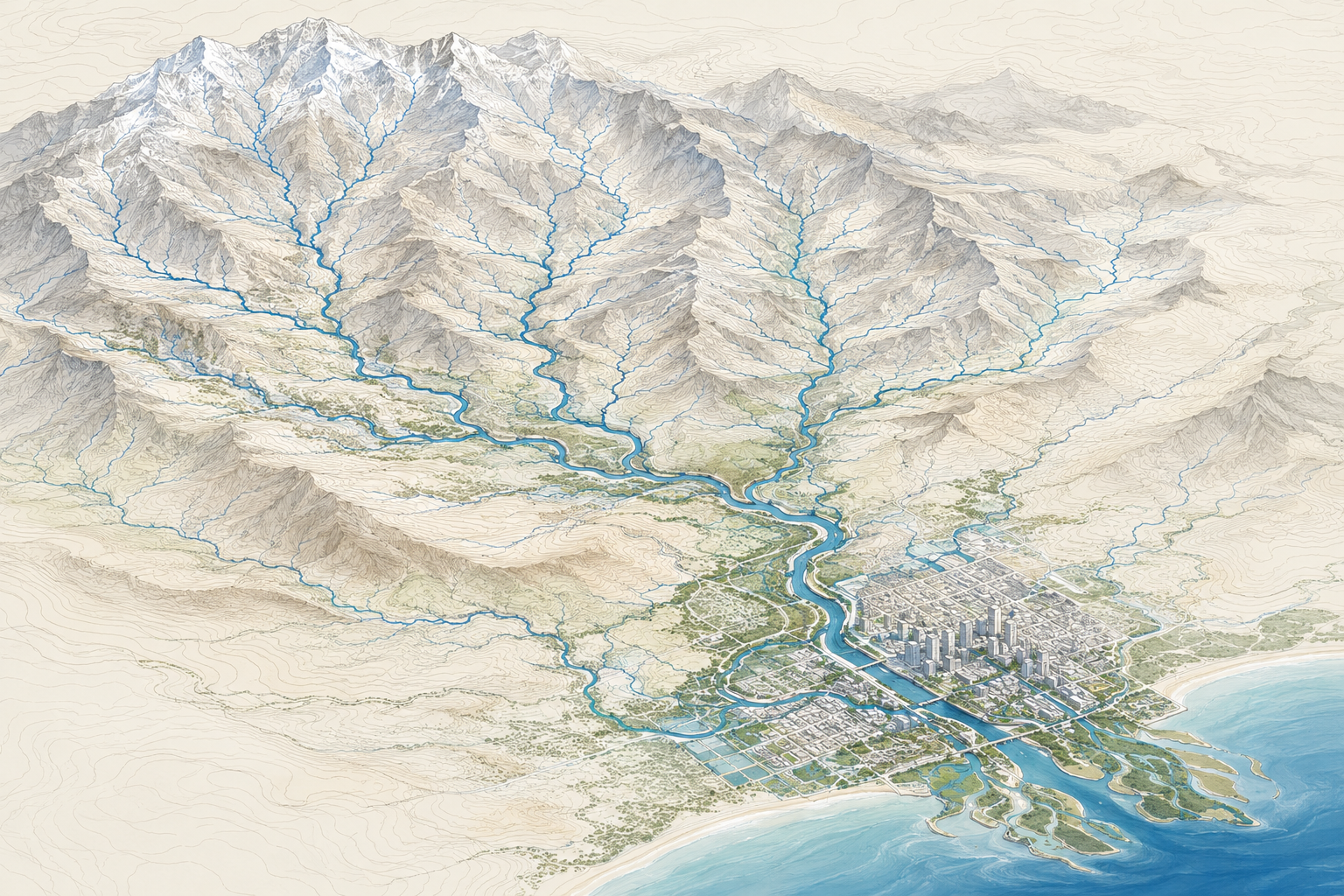
Hydroism treats water as more than a design input. It is infrastructure, ecology, risk, data, memory, and public life.

We connect rigorous engineering with emerging technology and thoughtful environmental inquiry—without losing sight of the people and landscapes behind every model.

01

Hydrology & Climate

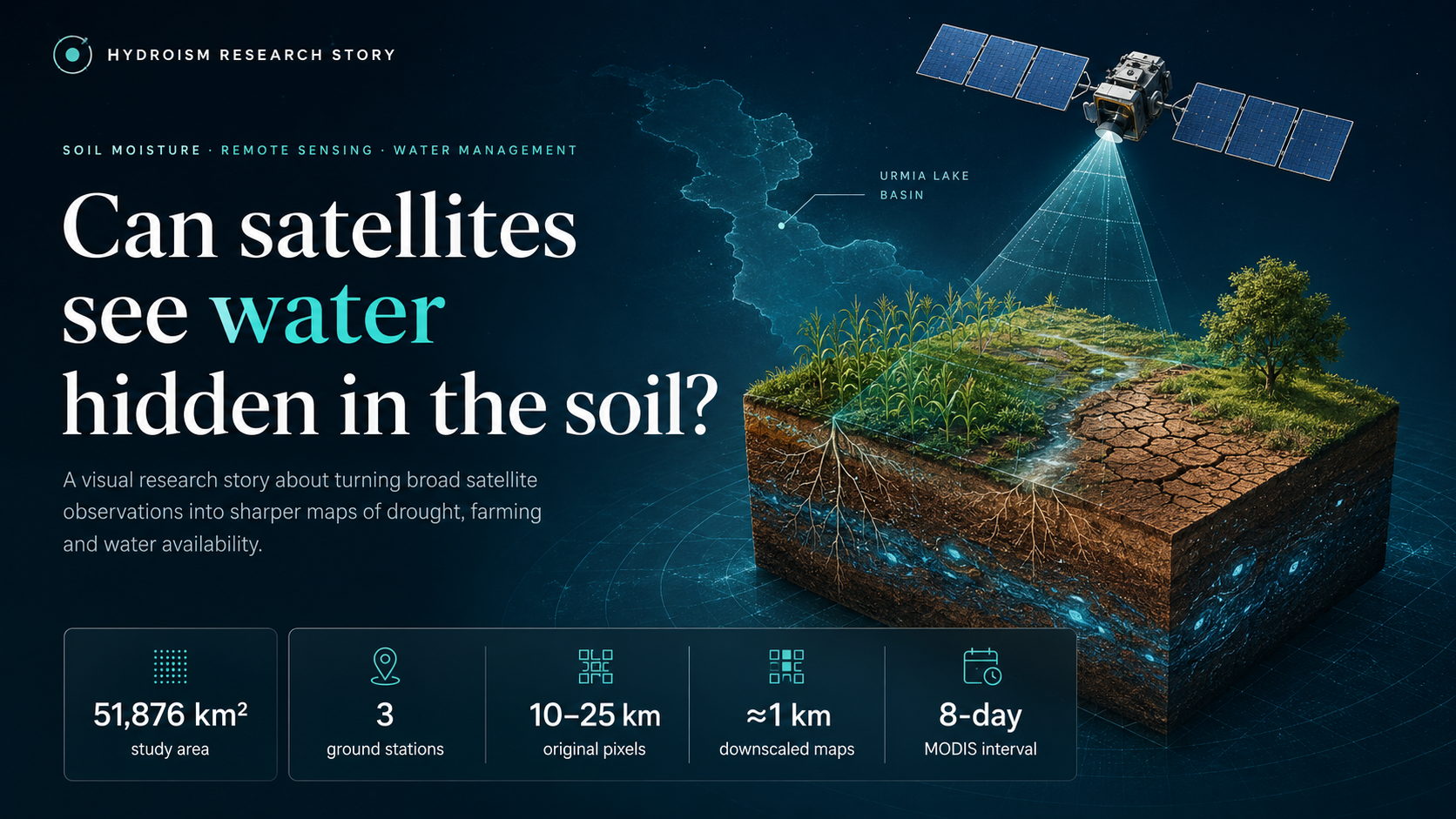
Rainfall, catchments, remote sensing, forecasting, and a changing water cycle.

02

Hydraulics & Rivers

Flow, morphology, infrastructure, restoration, and the intelligence of natural systems.

03

Flood Risk

Hazard, resilience, early warning, and decisions that protect communities.

04

AI & Engineering

Transparent tools that extend engineering judgment without replacing it.

05

Wet Utilities

Water, wastewater, drainage, irrigation, pumping, and connected urban systems.

06

Water & Society

The human, ecological, and ethical dimensions of how water is understood and managed.

02

Software from Hydroism

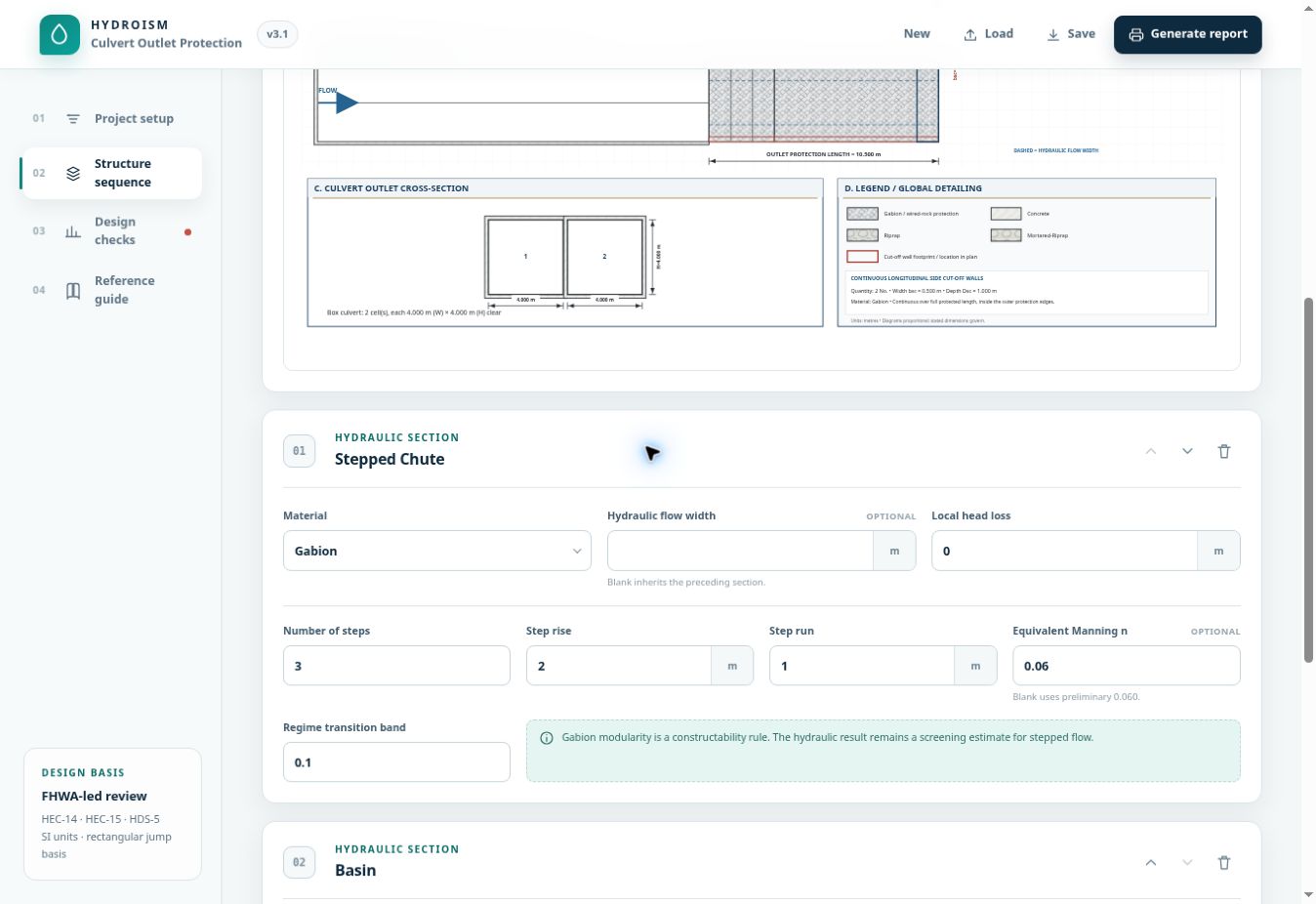
01 / Flagship toolCulvertScan

AI-assisted road drainage screening

Faster reconnaissance.
Engineering judgment intact.

CulvertScan combines terrain analysis, hydrology, GIS, and structured AI review to identify and assess road–drainage crossings at early project stages.

  • 01 Terrain-led crossing detection
  • 02 Catchment and hydraulic screening
  • 03 Engineer review and editable outputs
  • 04 Traceable technical reporting
Explore CulvertScan

Field note · Water & humanity

Not everything that matters fits inside a model.

Engineering gives us the power to shape water systems. Wisdom begins with understanding what those systems already sustain.

Enter the journal

Hydroism · An independent water intelligence platform

Build with evidence.
Think beyond the boundary.